
What materials are used for labels?
Common label materials are primarily categorized into four major types: paper, film, synthetic paper, and specialty materials. Here's a practical and easy-to-understand version for you:
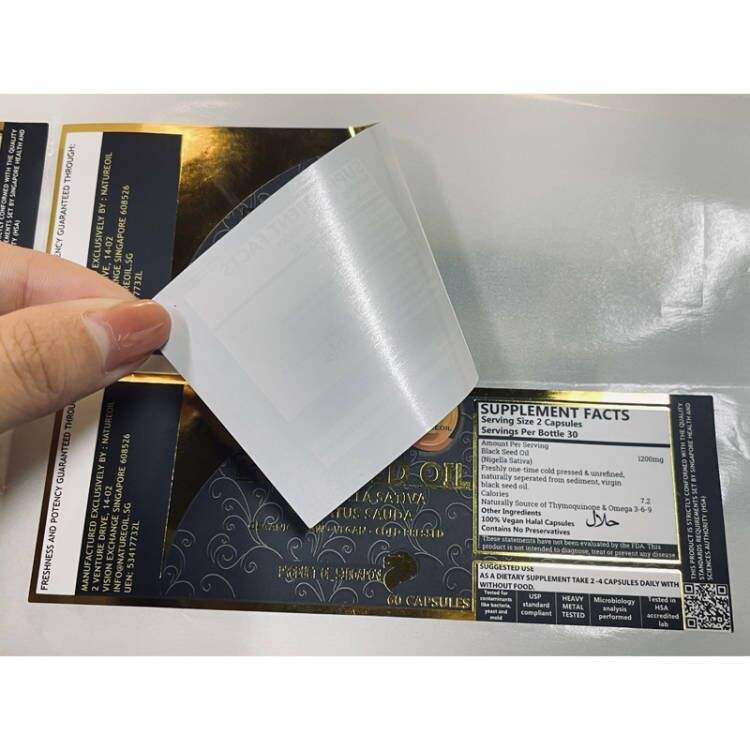
1. Paper labels (most commonly used, inexpensive)
Copperplate paper: ordinary adhesive paper, suitable for price tags and product hangtags
Thermal paper: No ink required, direct printing, used for supermarket receipts and courier waybills
Kraft paper: Retro, eco-friendly, suitable for gift boxes, food, and handmade packaging
2. Film-type labels (waterproof, tear-resistant, durable)
PP (Polypropylene): Waterproof and oil-resistant, commonly used in daily necessities and beverage bottles
PE (Polyethylene): Soft and bendable, suitable for curved bottles and containers
PET (Polyester): Stiff, heat-resistant, scratch-resistant, used for electrical and chemical labels
PVC: Waterproof and weather-resistant, suitable for outdoor and cable labeling
3. Synthetic paper labels (rip-resistant, high-quality texture)
Plastic + paper fiber, waterproof, tear-resistant, and writable
Suitable for: Food, cosmetics, outdoor, and stain-resistant scenarios
4. Special Function Tags
Removable adhesive: No residue left after removal
Anti-counterfeit labels: fragile paper, laser, QR code anti-counterfeiting
Washing label: Nylon, polyester, collar tag, water wash without shedding


